
AI Agent › Use Cases › Retail • aiagent.app
Transforming Logistics with AI Agents: Streamline Your Supply Chain
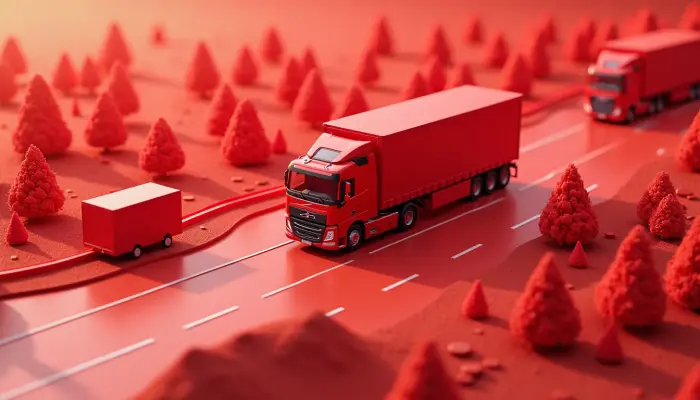
Transforming Logistics with AI Agents
In today’s fast-paced world, the logistics industry is evolving rapidly, and AI agents are at the forefront of this transformation. By utilizing autonomous AI agents, organizations can streamline supply chain operations, enhance efficiency, and reduce costs. Below, we explore how AI agents are being integrated into logistics, their benefits, and use cases.
The Role of AI Agents in Logistics
AI agents serve as intelligent systems that can perform tasks autonomously, making them invaluable in the logistics sector. Key capabilities include:
- Task Automation: AI agents can handle repetitive tasks such as inventory management, order tracking, and delivery scheduling.
- Predictive Analytics: Leveraging data analytics, AI agents can forecast demand, optimize routes, and efficiently allocate resources.
- Model-Agnostic Chat Interface: This feature enables seamless communication between logistics personnel and AI systems, enhancing decision-making and operational efficiency.
Benefits of Implementing AI Agents in Logistics
- Increased Efficiency: Automation reduces human error and speeds up processes.
- Cost Reduction: Savings on labor costs and improved resource allocation lead to lower operational expenses.
- Enhanced Customer Experience: Faster delivery times and transparent tracking improve customer satisfaction.
- Scalability: AI solutions can easily adapt to changing demands, enabling businesses to grow without compromising service quality.
Use Cases of AI Agents in Logistics
- Warehouse Management: Automated agents can manage inventory levels, predict stock shortages, and streamline restocking processes.
- Route Optimization: AI algorithms calculate the most efficient delivery routes, saving time and fuel costs.
- Demand Forecasting: By analyzing historical data, AI agents can accurately forecast supply and demand, helping companies adjust their logistics strategies.
Predictions for the Logistics Industry in the Next 5 Years
These are directional expectations based on current trends, not guaranteed outcomes.
- Increased Adoption of Autonomous Vehicles: Expect to see more autonomous delivery vehicles, enhancing last-mile delivery.
- Full Integration of AI in Supply Chains: Businesses will widely adopt AI technologies for real-time supply chain visibility and decision-making.
- Growth of Robot-assisted Warehousing: Robotics will become commonplace in warehouses, further automating operations.
- Sustainability Initiatives: AI will help logistics companies optimize operations for sustainability, reducing their carbon footprint.
- Greater Use of Blockchain: Expect innovative applications of blockchain in logistics, enhancing transparency and security in supply chains.
Conclusion
The logistics sector is undergoing a revolutionary change driven by AI agents. Embracing these technologies not only improves operational efficiency but also prepares businesses for future challenges. If you’re looking to enhance your logistics operations, integrating AI agents could be the key to success.
How the work divides
| Focus area | What the agent does | What stays with a person | What breaks without review |
|---|---|---|---|
| Task Automation | Updates inventory records, tracks orders, and schedules deliveries across warehouse and delivery workflows. | Warehouse staff verify inventory levels, order exceptions, and scheduled delivery details. | Incorrect inventory records, missed order changes, or unsuitable delivery times can move through the operation. |
| Predictive Analytics | Forecasts demand, identifies possible stock shortages, calculates delivery routes, and allocates logistics resources using historical and operational data. | Planners and dispatch personnel validate forecasts, route choices, and resource assignments before acting on them. | Poor forecasts can cause shortages or excess stock, while unsuitable routes can delay deliveries and increase fuel use. |
| Increased Efficiency | Processes inventory, order tracking, delivery scheduling, route planning, and restocking work faster while reducing repetitive manual entry. | Logistics personnel check exceptions and confirm that accelerated workflows match warehouse and delivery conditions. | A mistaken update or route can spread quickly through warehouse records, delivery plans, and customer tracking. |
| Cost Reduction | Optimizes delivery routes to reduce time and fuel use, allocates resources, and supports inventory planning that can reduce labor and operating expenses. | Operations managers approve resource assignments, staffing choices, and route plans with cost and service needs in view. | Excess fuel use, poor resource assignments, avoidable labor costs, or stock shortages can raise operating expenses. |
| Enhanced Customer Experience | Tracks orders, schedules deliveries, and supports faster delivery through route optimization and clearer shipment status. | Customer service and delivery teams resolve exceptions and confirm that tracking updates and delivery commitments are accurate. | Inaccurate status updates, missed delivery times, or unresolved exceptions can reduce customer satisfaction. |
Explore all AI agent use cases or start building on AI Agent.
AI in logisticslogistics automationsupply chain optimizationAI agentslogistics technologyautonomous logisticsAI-driven supply chain