
AI Agent › Use Cases › Retail • aiagent.app
Revolutionizing Warehouse Automation with AI Agents
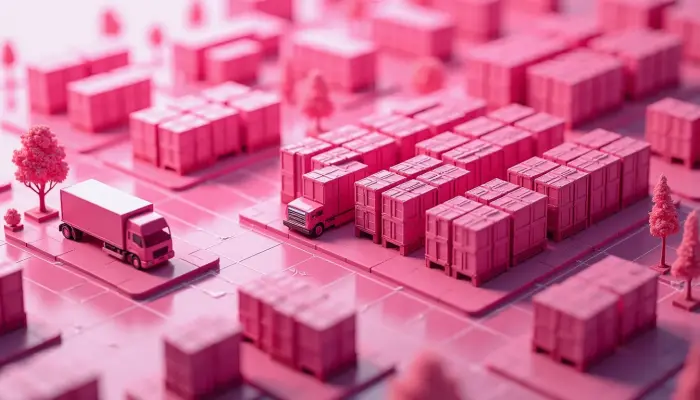
Revolutionizing Warehouse Automation with AI Agents
Warehouse automation is a rapidly evolving field, driven by advancements in AI technology. The integration of autonomous AI agents is reshaping how warehouses operate, enabling higher efficiency, reduced errors, and improved inventory management.
Key Benefits of AI Agents in Warehouse Automation
- Increased Efficiency: AI agents streamline tasks such as sorting, picking, and packing, significantly reducing time spent on manual processes.
- Error Reduction: Automation minimizes human error, ensuring higher accuracy in inventory management and order fulfillment.
- Scalability: With AI agents, warehouses can easily scale operations without the need for proportional increases in labor force.
- Real-Time Data Processing: AI agents can analyze data in real-time, improving decision-making processes in inventory replenishment and logistics.
Use Cases of AI in Warehousing
- Autonomous Robotics: Robots equipped with AI can navigate warehouses to transport goods, which reduces the need for human labor and boosts productivity.
- Predictive Analytics: AI agents analyze historical data to predict inventory needs, preventing stockouts or overstock situations.
- Job Execution: AI agents can handle various roles in a warehouse—from managing inventory logs to executing orders autonomously, enhancing operational efficiency.
Seamless Integration with Existing Systems
One of the standout features of AI agents is their model-agnostic chat interface, which allows seamless integration with a wide range of applications. This means that businesses can automate numerous workflows without requiring extensive coding expertise.
Implementing AI Solutions Step-by-Step
- Assessment: Evaluate current warehouse operations to identify areas that can benefit from automation.
- Selection: Choose the right AI agent solution based on your specific warehouse needs and existing infrastructure.
- Integration: Utilize the platform's chat interface to integrate the AI solution with existing warehouse management systems.
- Monitoring: Continuously monitor performance metrics to ensure optimal operation and make necessary adjustments.
Future Predictions for Warehouse Automation
- 5-Year Outlook: The next five years will see a significant rise in fully automated warehouse systems capable of functioning with minimal human intervention.
- Enhanced AI Capabilities: AI will continue to evolve, offering more advanced predictive analytics and machine learning features to enhance operational decisions.
- Sustainability Focus: Automation will not only optimize productivity but also focus on reducing energy consumption and waste, contributing to greener logistics.
Conclusion
Adopting AI agents in warehouse automation is not just a trend; it’s a necessity for businesses looking to remain competitive. With the flexibility of integration and the multitude of tasks AI can handle, organizations can significantly enhance their logistics efficiency and adapt to future challenges.
Related Links
Incorporate AI agents into your warehouse operation to stay ahead in today’s competitive landscape.
How the work divides
| Focus area | What the agent does | What stays with a person | What breaks without review |
|---|---|---|---|
| Increased Efficiency | Sorts, picks, and packs goods, reducing time spent on manual warehouse processes. | A person monitors performance metrics and makes necessary workflow adjustments. | Sorting, picking, and packing take longer when manual processes return. |
| Error Reduction | Automates inventory management and order fulfillment to minimize human error. | A person monitors inventory and order workflows and makes necessary adjustments. | Manual errors can return to inventory records and order fulfillment. |
| Scalability | Manages inventory logs and executes orders as operations grow, without requiring proportional labor increases. | A person assesses warehouse operations, selects a solution for existing infrastructure, and monitors expansion. | Scaling the warehouse may require proportional increases in the labor force. |
| Real-Time Data Processing | Analyzes data in real time to support inventory replenishment and logistics decisions. | A person reviews performance metrics and adjusts replenishment or logistics operations. | Replenishment and logistics decisions lose the benefit of real-time analysis, weakening prevention of stockouts or overstock situations. |
| Autonomous Robotics | Uses AI-equipped robots to navigate the warehouse and transport goods. | A person monitors robot performance and makes necessary operational adjustments. | Goods transport requires more human labor, reducing the productivity benefit described for robotic transport. |
Explore all AI agent use cases or start building on AI Agent.
warehouse automationAI agentsautomated logisticssupply chain optimizationsmart warehousesrobotics in warehousingAI in logisticsinventory management