

Unleashing the Power of Autonomous AI Agents: Transforming the Future of Business
Businesses can transform operations with autonomous AI agents that observe conditions, analyze data, complete routine work, and support decisions with limited human intervention. Unleashing the power of autonomous AI agents works best when people set goals, review important outputs, and maintain privacy and fairness controls.
In today's fast-paced world, businesses are constantly looking for ways to stay ahead of the competition. One of the most promising advancements in this quest is the rise of autonomous AI agents. These sophisticated systems are redefining what is possible, offering the ability to seamlessly automate tasks, optimize processes, and make informed decisions with minimal human intervention.
Understanding Autonomous AI Agents

Autonomous AI agents represent a significant leap in artificial intelligence. Unlike traditional AI systems that require extensive human guidance, these agents can operate independently. They are designed to observe their environments, learn from data, and adapt their strategies over time.
The Evolution from Traditional AI to Autonomous AI
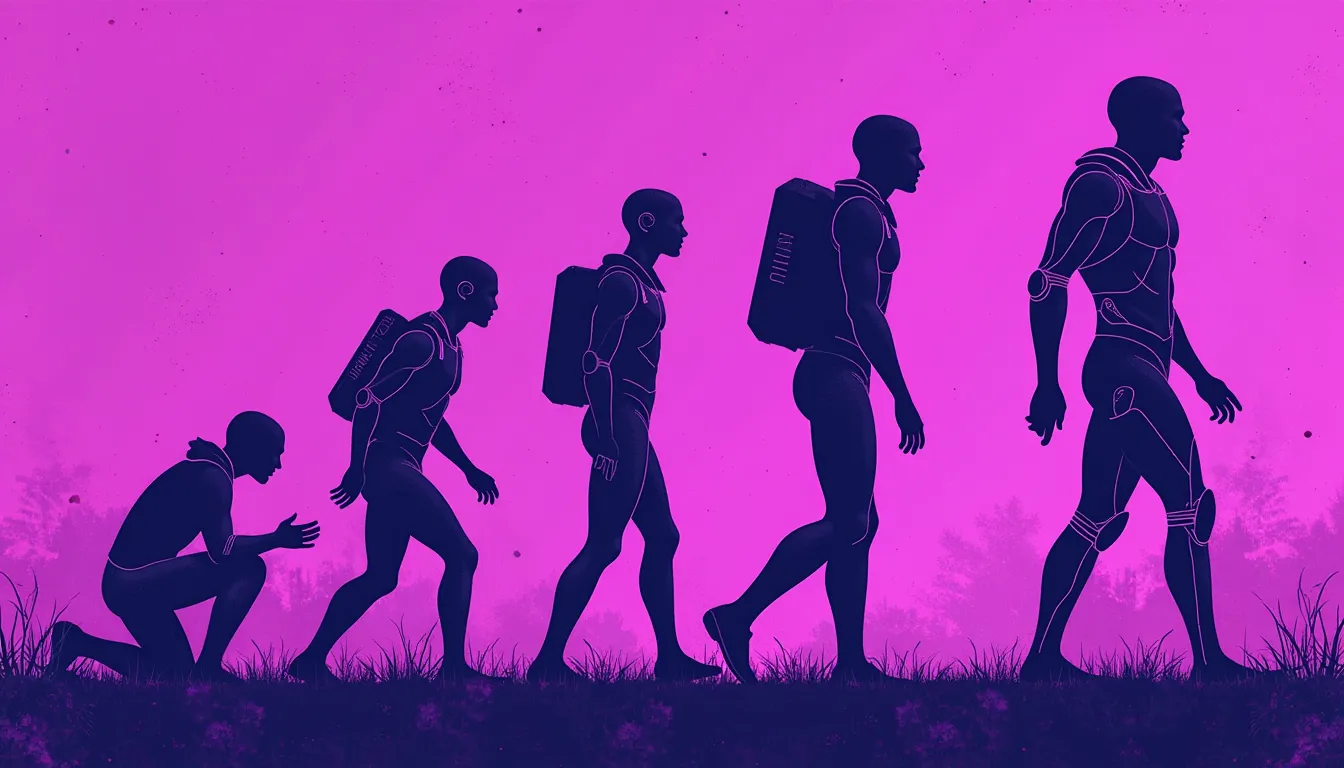
Initially, AI systems were built to handle specific tasks, relying heavily on human input. However, the introduction of advanced machine-learning algorithms has paved the way for more sophisticated AI. Now, autonomous agents can manage complex operations, from optimizing supply chains to improving customer service engagements.
Real-World Applications of Autonomous AI

Across industries, autonomous AI agents are making waves. In healthcare, they assist in diagnosing diseases by analyzing vast datasets faster and more accurately than human doctors. In finance, they're used to detect fraudulent activity in real-time. Manufacturing sectors leverage these agents for predictive maintenance, enhancing efficiency and reducing downtime.
Enhancing Business Decisions and Operational Efficiency

The decision-making process is another area where AI agents shine. By analyzing trends and patterns, these agents provide actionable insights that help businesses make informed decisions swiftly. Companies that utilize tools like Microsoft Copilot and Salesforce Agentforce experience a marked increase in productivity and operational efficiency. By reducing manual tasks and streamlining workflows, businesses can focus more on strategic initiatives.
The Future: Autonomous AI and Human Collaboration

As we move toward a future where AI plays a crucial role in business, the need for a harmonious collaboration between humans and machines becomes apparent. Autonomous AI agents are not here to replace human jobs but to enhance human capabilities. By handling repetitive tasks, AI agents free up humans to focus on creative and strategic roles that drive innovation.
Addressing Challenges: Ethical and Strategic Considerations

With the growing presence of AI agents, ethical considerations become imperative. Businesses need to ensure that these systems are designed and implemented responsibly, respecting privacy and avoiding bias. It requires continuous monitoring and adaptation to align AI operations with ethical standards and societal values.
Conclusion: Embracing the Transformation

The transformative potential of autonomous AI agents cannot be overstated. As these technologies advance, businesses that embrace them stand to gain significantly in terms of productivity, efficiency, and innovation. The future belongs to those who can leverage these advancements while maintaining a balance between technological efficiency and ethical stewardship.
Frequently asked questions
How much does an autonomous AI agent cost?
AI Agent pricing starts at $49 for the Start tier, while the Pro tier is $149. AI Agent exposes 40 connections, which can support connections across business workflows.
How much effort is required to implement an autonomous AI agent?
Implementation requires defining goals, connecting relevant data and tools, and setting rules for human review. Ongoing monitoring helps the agent adapt to changing business needs and ethical requirements.
What risks come with using autonomous AI agents?
Key risks include privacy violations, biased decisions, inaccurate analysis, and actions that do not match business policies. Businesses can reduce these risks through careful design, monitoring, and human oversight.
What can break when an autonomous AI agent runs a workflow?
Poor data, unclear instructions, failed system connections, or changing conditions can lead to incomplete or incorrect results. Review procedures and continuous adjustment help identify these problems before they affect important operations.
What work does an autonomous AI agent replace?
An autonomous AI agent can take on repetitive tasks, routine analysis, fraud detection, workflow management, and parts of customer service. People remain responsible for creative work, strategic judgment, ethical decisions, and oversight.